
On 4th October 27 members departed Javea at 8.45am prompt for the town of Requena.
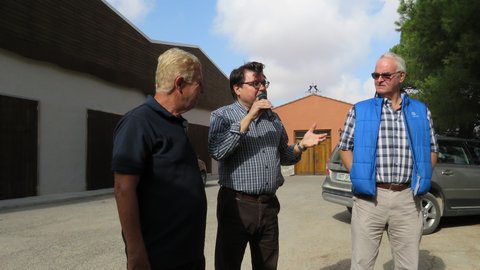
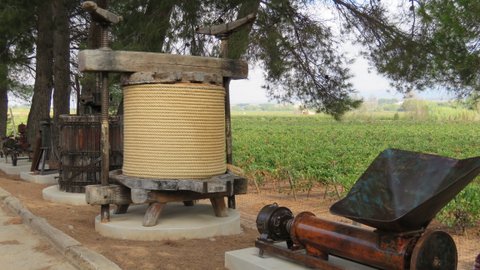 Arriving at Bodega Vegalfaro we were greeted by Rodolfo, the son of Andres Valiente who built the Bodega in 1999. In February 2011 it received the qualification Pago .The 60 hectares of vineyards are situated on a slope in the valley of the Jucar river. The area is divided into three due to the quality of soil, the microclimate and the grape varieties of Merlot, Tempranillo, Chardonnay, Garnache, Syrah and Bobal. This area is particularly well known for growing Bobal. The grapes for the Pago wines are grown in a special area surrounded by pine forests, holm oaks and aromatic plants.
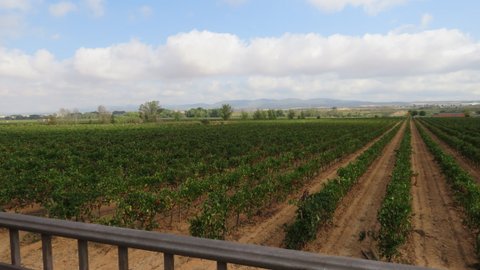 Pesticides are never used, so the soil is alive. It proliferates a micro-fauna very important to the decomposition of organic material and nutrient absorption by the vines through a “symbiotic relationships” with the roots, while helping to control diseases. After the grapes are picked, early in the morning, they are processed separately according to variety as well as the area in which they were grown, anything from 600-900m above sea level.
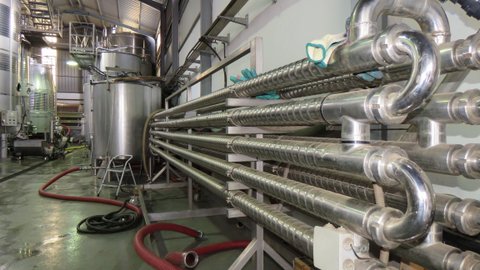 We were particularly interested to see the cooling system, a new design, which is able to reduce the temperature of the wine in the vats very quickly to aid the fermentation process. Above 32C the yeast is killed. This year the wine is expected to be an excellent quality. The grapes are healthy with good colour and there has been the right amount of rain at the right times.
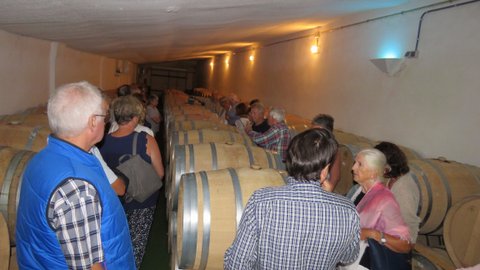 Oak barrels from French and Central European forests are used for the ageing. French Barrels of 225ltrs cost 800€ and Hungarian are 600€, they are only used for 4-5yrs. To further improve quality, recently they have been doing research into the ageing of red wines in terracotta amphorae. Before bottling the wine goes through a micro filter to remove bacteria.
Cava is matured in the bottle with the lees. 9mths produces Cava, 15mths for Reserva and 30mths for Gran Reserva.
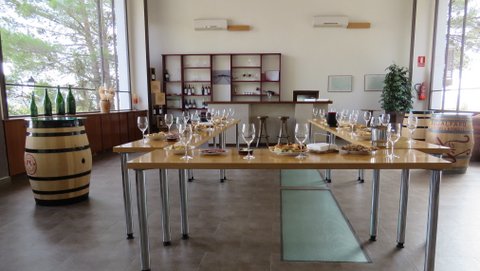
With a delightful tapas lunch we tasted 6 of their wines:
Caprasia Rose at 6€
Caprasia Bobal Crianza 50% aged in ceramic at 12€Bright and salmon tone typical of the non maceration with the skins, with a strong perfume.
Caprasia Roble 2015 at 7.50€. Dark black cherry hue with good intense nose and predominant strong red fruits.
Rebel-lia Blanco 2015 chardonnay 60% sauvignon blanc 40% at 6€. Shiny straw, good intensity with notes of tropical fruits and flowers.
Pago de los Balagueses Syrah 2013 at 15€. Intense black cherry colour with purple glints. Aromatic hints of fennel and aniseed fused with ripe cherries.
Cava Caprasia Brut Nature 2013 chardonnay 60% macabeo40% at 15€. Bright, clean, straw-yellow colour with subtle green flashes and fine, intense bubbles that form beads . Intense black cherry colour and good intensity on the nose. The palate is fresh.
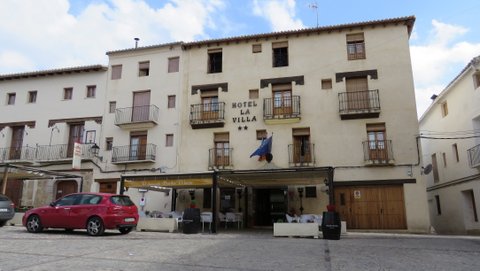
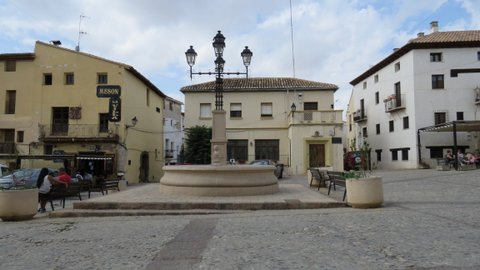
Our Hotel for the night was in the plaza in old oldest part of Requena. Some buildings have been renovated but there are still many awaiting attention. We visited the C15th Tower by the Moorish walls and the caves.
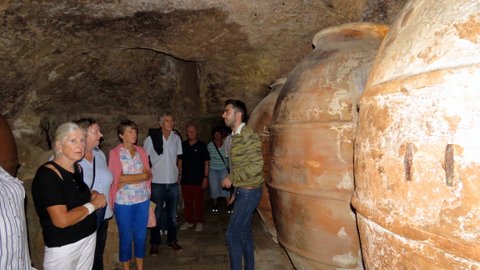 The caves were dug from the clay beneath the rock in the C9-13th. They were used as storage for food,wine and grain, as a shelter and as a burial place. They extend under many of the properties as well as the main Plaza and are often interconnected. they contain amphorae and storage jars.
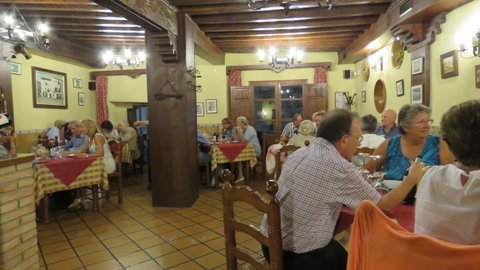
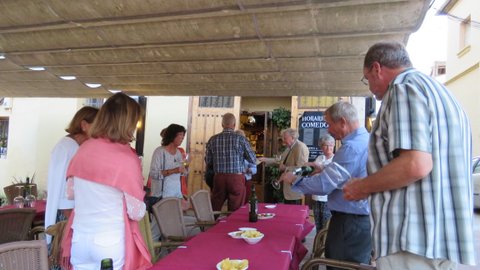 Dinner that evening was taken at the Hostelry opposite so we didn’t have far to walk!
Next morning, we were soon off to the first tasting at Bodegas Emilio Clemente. It belongs to the 3rd generation of the Lujan family and we were all impressed by its beauty. The late C19th Manor has been restored using old materials in keeping with the style of the property. Christina the winemaker greeted us.
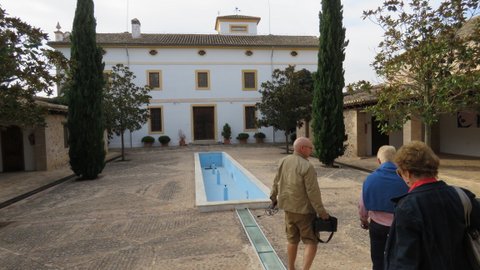
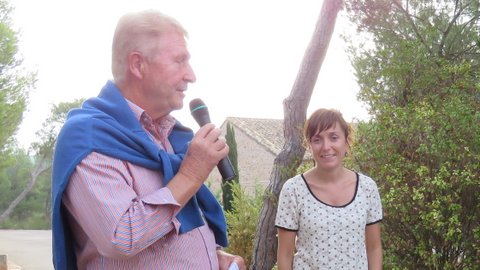
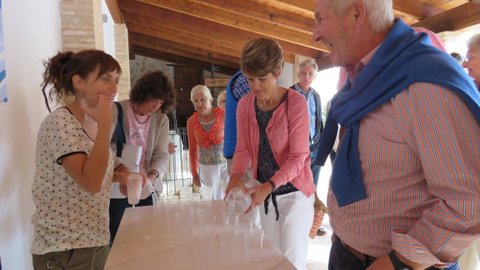 Unusually our tour started with a drink of water for everyone, which was very welcome! This bodega produces 200,000 bottles a year of which about 90% is exported to the Far East. The chardonnay and bobal are grown 300m above sea level in an area with boar and wild flowers. When the boar start to eat the grapes in August they know they are ready for picking by hand during the night. Merlot, sauvignon blanc and tempranillo are picked by machine.
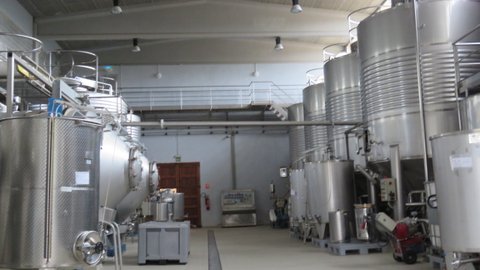
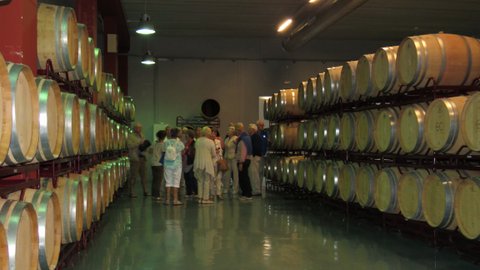 Snra Carmen Lujan insists that everywhere should be so clean that she could eat her food off the floor and it was certainly outstanding in its cleanliness and attention to detail.
420 French oak barrels are used with a medium toast to give a sweet spicy finish. Classical music from Liszt, Mozart Beethoven and Handel played in the barrel room, the slow constant vibrations were believed improve the wine.
We tasted four wines, the cava is in its first year of production:
Cava brut Regulus macabeo 50% chardonnay 50% at 4€
Florante tardana 6% macabeo20% sauvignon blanc 20% chardonnay 54% at 5.50€
Bomelot crianza bobal 50% merlot 50% at 4.50€
Emilio Clemente crianza cabernet sauvignon 52% merlot 48% at 7€
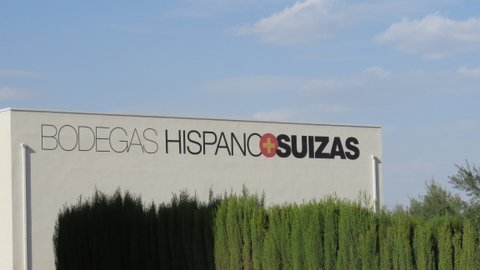
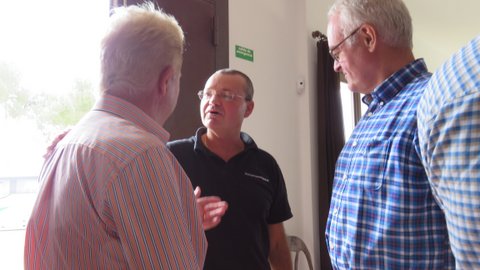
Bodegas Hispaosuizas formed in 1905 and restored in 2009 was the last tasting and what a superb visit it was. Rafa one of the owners was our very knowledgeable guide.
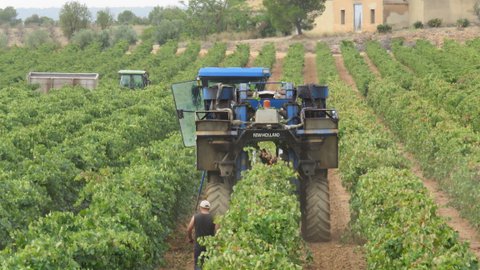
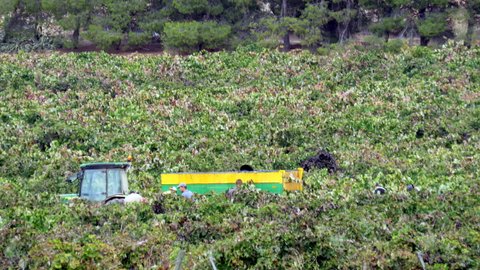
 The vineyard extends to 61 hectares and only the best grapes are selected and picked by hand, which takes 15 people a week, the lower quality are collected by machine in four hours and sold on to other wineries. A microclimate enables them to grow French vines by adapting the rootstock.
 Unusually the grapes are frozen to -10C to help production flow as space is quite limited and also to prevent the pips imparting bitterness into the wine.
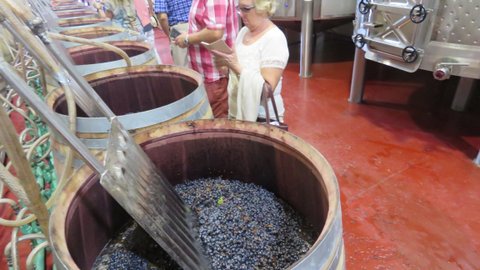 Open topped oak barrels of 225ltrs are used for the maceration, the grapes are stirred three times a day by hand. The barrels are later used for the storage of the same wine.
The varieties used are chardonnay, pinot noir, sauvignon blanc and bobal.
Four of their wines have been declared the best in Spain in the 2015 Wine Guide.
We tasted three delicious wines:
Impromtu Sauvignon Blanc at 19€
Cava Roasda Tantum Ergo 97points pinot noir at 20.50€
Bassus Pinot Noir 97points at 19.50€
The trip was rounded off with a superb lunch at the bodega and a sleepy drive home!
Text & Photos by Joan Easter
Paul Nicholls has also produced a Video.
To see it, click on the word video and, when prompted, please enter the password CBWS.